Aligning Reward Programs with Analytical Frameworks in Team Sport Markets Under Responsible Play Standards
Written by Casey Werner · Aug 26, 2026
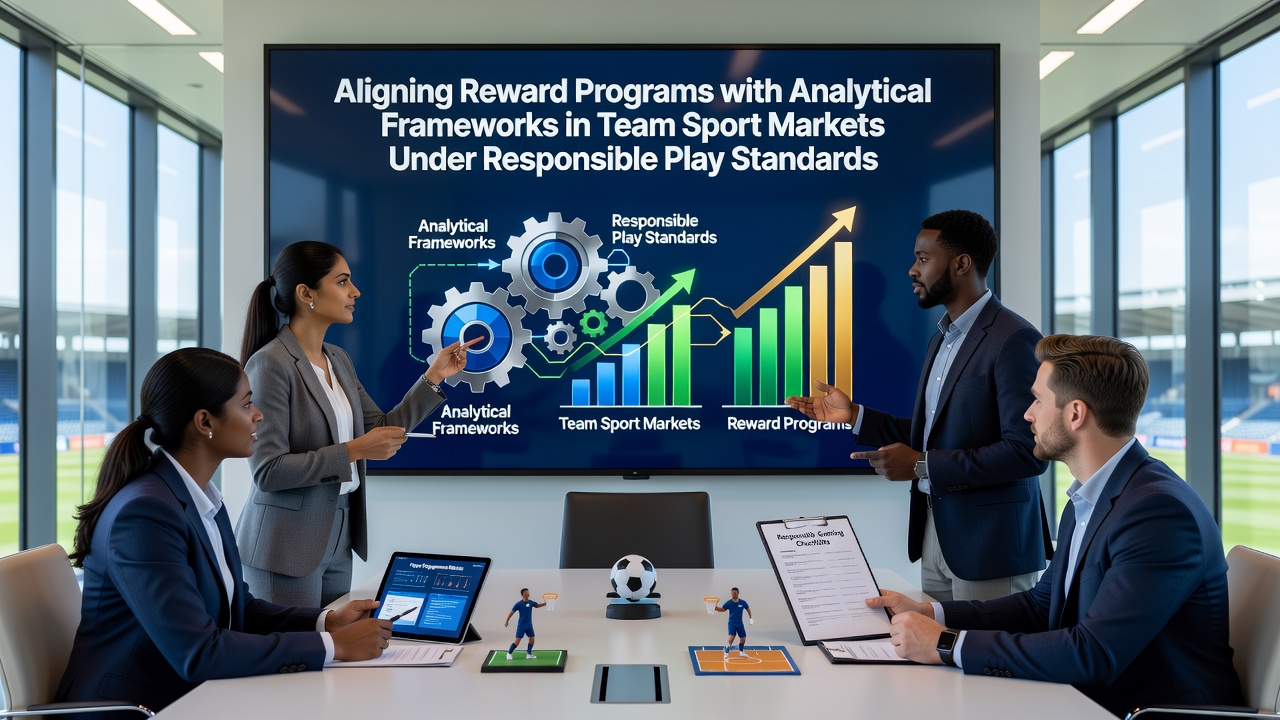
Aligning Reward Programs with Analytical Frameworks in Team Sport Markets Under Responsible Play Standards
Team sport markets in betting environments rely on structured reward programs that integrate directly with analytical frameworks designed to process real-time performance data, player statistics, and market fluctuations while adhering to responsible play standards that limit exposure and promote controlled participation. These alignments have gained attention as operators update systems ahead of regulatory reviews scheduled for August 2026 across multiple jurisdictions.
Core Components of Reward Programs in Team Sports
Reward programs typically award points or credits based on wager volume, frequency, and specific event outcomes in sports such as football, basketball, and hockey, and these systems draw on historical datasets to adjust incentive structures dynamically. Operators track metrics including win rates, session durations, and bet types to calibrate rewards, ensuring the programs remain tied to observable patterns rather than arbitrary allocations. Data from industry reports shows that such programs often incorporate tiered benefits where higher activity levels unlock enhanced multipliers or exclusive market access.
Analytical Frameworks Supporting Market Decisions
Analytical frameworks in team sport markets employ statistical models that process variables like team form, injury reports, venue conditions, and betting volume to generate probability estimates and line adjustments. These models integrate with reward systems by flagging accounts that exhibit rapid escalation in activity, allowing automatic adjustments to point accrual rates or temporary holds on promotional credits. Researchers at institutions including the University of Nevada, Las Vegas have documented how these frameworks reduce variance in reward distribution across large user bases by applying regression analysis to past seasons.
Integration with Responsible Play Standards
Responsible play standards require operators to embed safeguards such as deposit limits, time-out mechanisms, and self-exclusion options directly into reward program logic, so that accumulated benefits do not override protective thresholds. In practice this means analytical tools monitor behavioral indicators and trigger interventions before reward redemptions can occur outside established boundaries. Figures released by the National Council on Problem Gambling reveal that aligned systems recorded lower rates of limit breaches in monitored markets during 2025 testing phases.

Operators achieve this integration by mapping reward triggers to risk scores generated from algorithmic outputs, creating automated pathways that scale benefits proportionally to verified safe-play compliance. When a user's activity pattern approaches a predefined threshold, the framework can pause point issuance or redirect incentives toward non-monetary educational content.
Implementation Patterns Observed in Major Markets
Markets in North America and Australia have applied these alignments through centralized data platforms that connect customer relationship management tools with responsible gambling modules. One documented case involved basketball leagues where reward multipliers were recalibrated weekly using updated injury and performance analytics, while simultaneous checks against daily deposit caps prevented overextension. Similar approaches in football markets have used session-based analytics to distribute loyalty credits only after minimum cooling periods, aligning incentives with regulatory expectations for measured participation.
Technical Mechanisms for Ongoing Alignment
Technical integration relies on application programming interfaces that feed live market data into reward engines while cross-referencing responsible play databases in real time. This setup allows point balances to reflect both sporting outcomes and adherence to personal limits, with audit trails maintained for compliance verification. Systems updated in preparation for August 2026 reviews incorporate machine learning layers that refine these connections based on aggregated anonymized datasets from previous seasons.
Conclusion
Alignment between reward programs and analytical frameworks in team sport markets operates through continuous data exchange that respects responsible play boundaries established by regulators and operators alike. As markets prepare for the 2026 regulatory cycle, existing implementations demonstrate measurable connections between statistical modeling, incentive distribution, and protective controls across multiple jurisdictions.