Coordinating Self-Limit Tools with Fluctuating Payouts in Soccer and Racket Contests Amidst Ongoing Promotions
Written by Taylor Berger · Nov 1, 2026
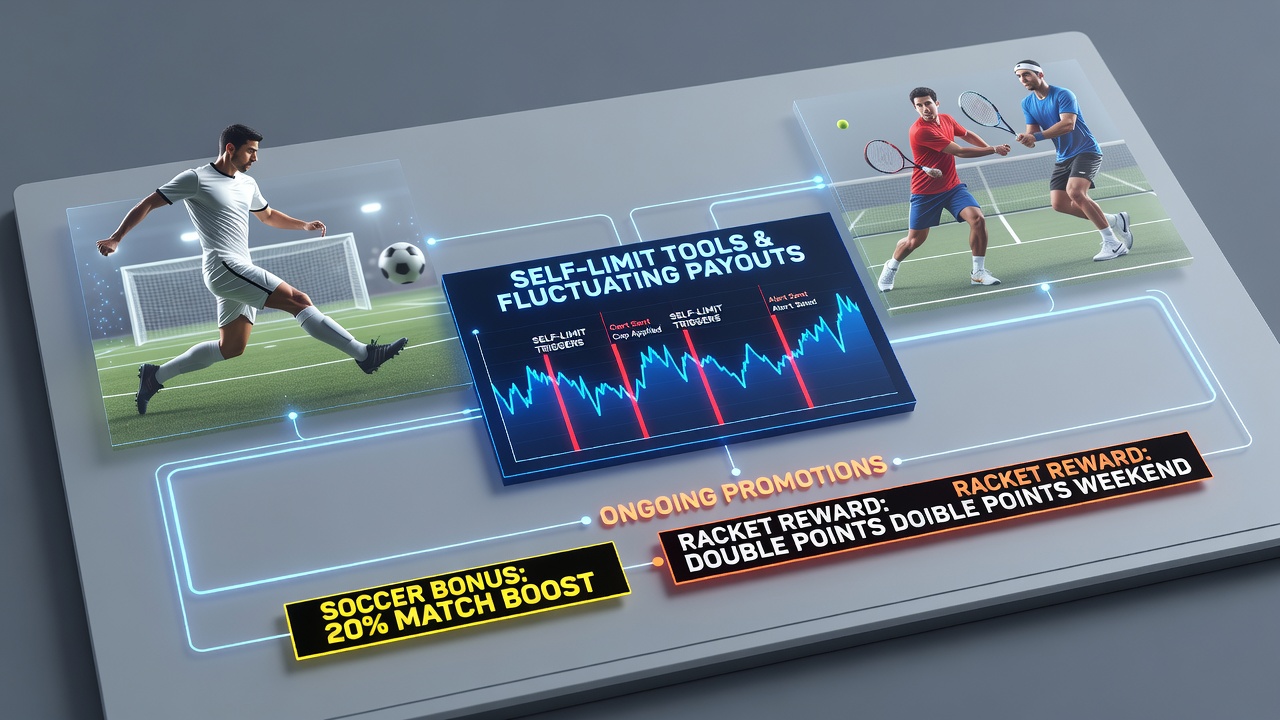
Coordinating Self-Limit Tools with Fluctuating Payouts in Soccer and Racket Contests Amidst Ongoing Promotions
Operators in soccer and racket sports betting face the ongoing task of aligning self-limit tools wth payouts that shift rapidly during promotions, and data from November 2026 indicated continued growth in these coordinated systems across multiple markets. Self-limit tools allow participants to set deposit caps, loss thresholds, and session timers while fluctuating payouts arise from live odds adjustments in matches such as Premier League fixtures or tennis tournaments where promotions like boosted stakes or cashback offers alter potential returns. Researchers at academic institutions have documented how these elements interact when promotions run alongside real-time market changes, and figures from industry reports show increased adoption of automated alerts that notify users when odds movements might affect their pre-set boundaries.
Dynamic Payout Structures in Soccer and Racket Events
Soccer contests generate frequent line movements because goals, substitutions, and card decisions trigger immediate recalculations, whereas racket sports such as tennis produce similar volatility through set scores and serve breaks that update probabilities within seconds. Promotions layer additional variables onto these movements by offering temporary enhancements that can double or triple effective returns during specific windows, and observers note that systems must recalibrate self-limits in response to these combined shifts. Studies conducted by university research groups found that participants who activate both deposit caps and time restrictions encounter fewer instances where promotional incentives push activity beyond intended boundaries, while data released in late 2026 highlighted a 12 percent rise in coordinated tool usage during major tournament periods.
Integration Mechanisms for Self-Limit Features
Modern platforms connect self-limit settings directly to payout engines so that any promotional multiplier triggers an automatic review of the user's current caps before the enhanced odds apply. This linkage operates through backend rules that pause or scale promotional eligibility when approaching a loss limit or deposit ceiling, and experts have observed that such automation reduces manual interventions by support teams. In racket contests the shorter match durations demand faster processing times, whereas soccer's longer timelines allow for more layered checks that include live score feeds, yet both require consistent enforcement to maintain alignment. Reports from the Australian Gambling Research Centre indicate that operators implementing these integrated protocols recorded measurable declines in voluntary limit overrides during promotional campaigns.
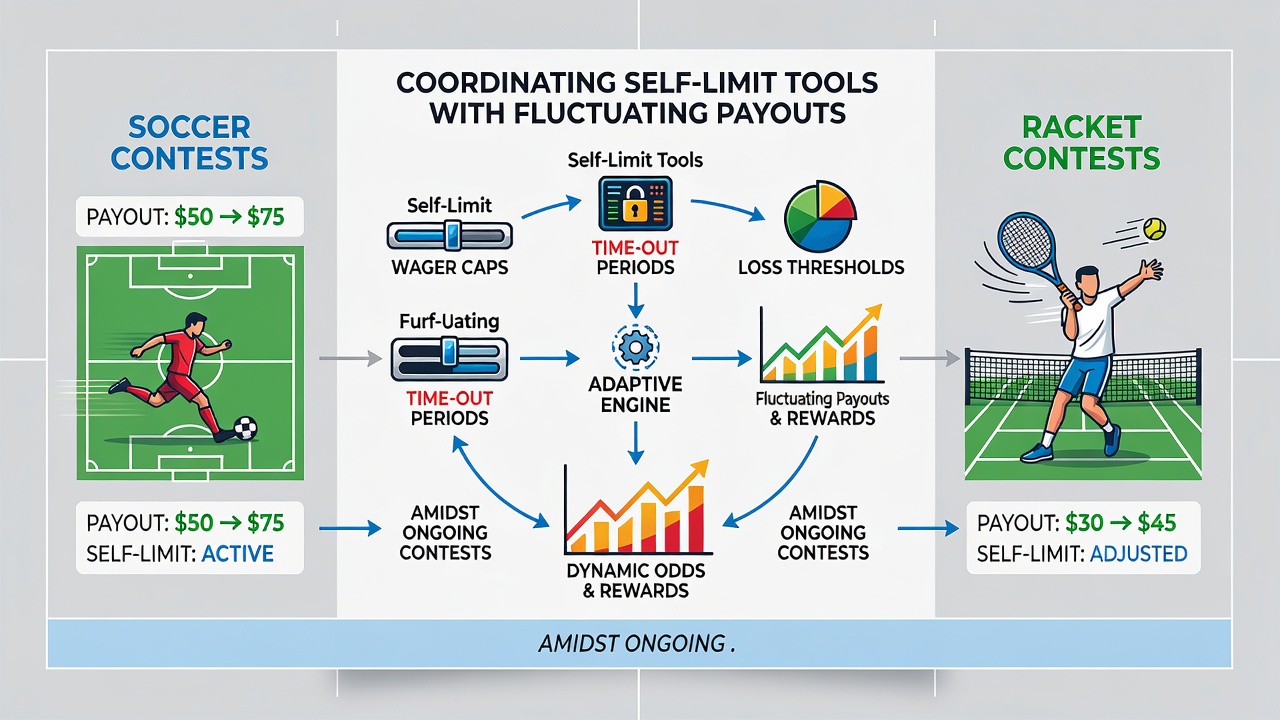
Promotional Campaigns and Their Impact on Limit Coordination
Ongoing promotions in November 2026 often coincided with high-profile soccer leagues and indoor racket tournaments, creating periods where odds fluctuated alongside deposit-match bonuses or free-bet incentives. Platforms that synchronize these elements use real-time dashboards to display remaining limit headroom next to current promotional values, and participants receive prompts when an odds boost would exceed a pre-established loss threshold. Industry data shows that transparent display of these interactions correlates with higher retention of responsible play settings, while regulatory frameworks in regions outside the UK emphasize operator accountability for maintaining such coordination. One analysis from the National Council on Problem Gambling examined how alert frequency during promotions influenced user behavior across different sports, and results pointed to improved adherence when notifications appeared before rather than after an odds change.
Technical and Regulatory Considerations
Backend architectures rely on application programming interfaces that feed live odds data into limit management modules, ensuring that any promotional adjustment receives immediate cross-checks against individual profiles. Soccer markets typically require broader data inputs because of multiple simultaneous fixtures, whereas racket events concentrate activity around fewer but faster-changing contests, and both benefit from standardized protocols that prevent promotional overrides of active limits. Government agencies in Canada and Australia have issued guidelines requiring operators to log these coordination events for audit purposes, and compliance reports from 2026 revealed consistent implementation across major platforms. Observers note that continued refinement of these systems supports broader player protection standards without restricting access to promotional offers.
Conclusion
Coordination between self-limit tools and fluctuating payouts remains a central operational focus for soccer and racket sports betting during promotional periods, with evidence from November 2026 demonstrating steady progress in automated alignment methods. Platforms that embed these checks into daily workflows provide participants with clearer visibility into how promotions interact with their chosen boundaries, and ongoing data collection continues to inform refinements across different regulatory environments.