Correlating Track Conditions with Real-Time Line Adjustments in Endurance Events Alongside Account Limit Features
Written by Viktor Albrecht · Aug 23, 2026
Correlating Track Conditions with Real-Time Line Adjustments in Endurance Events Alongside Account Limit Features
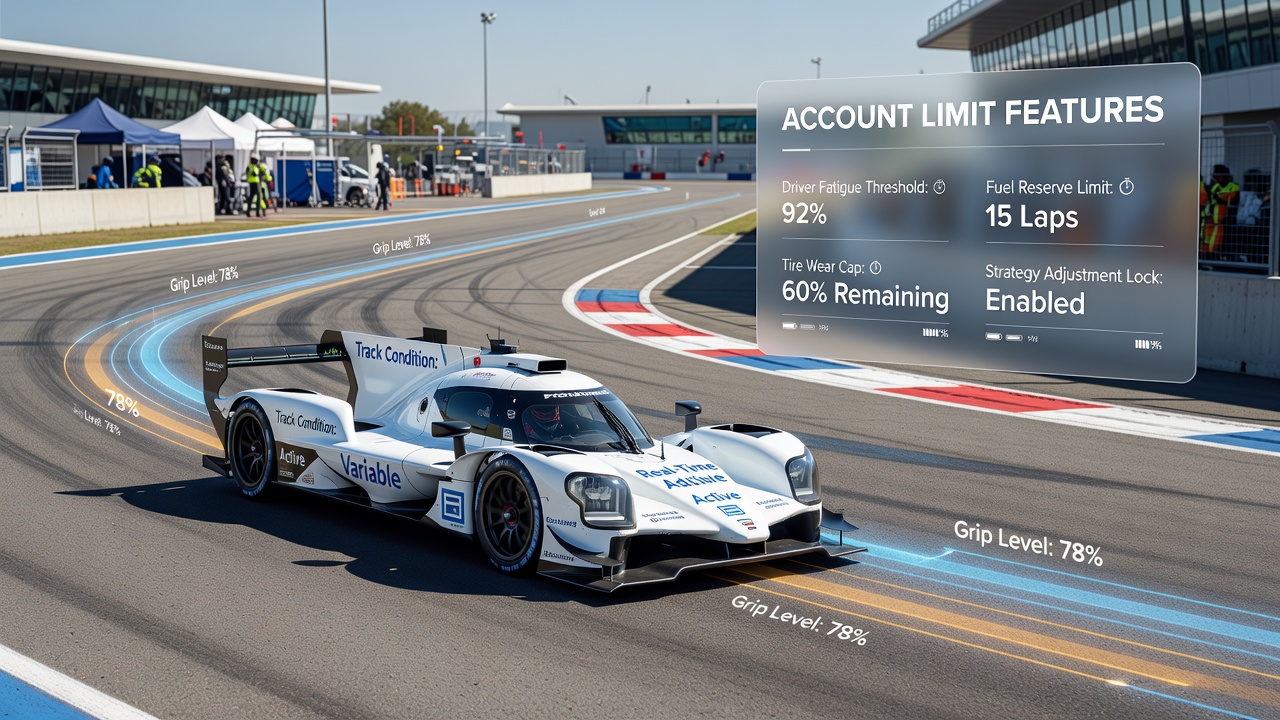
Track conditions play a central role in determining performance outcomes across endurance events, and operators adjust betting lines in real time as data streams in from sensors and observers. Surface moisture levels, temperature fluctuations, and wind patterns alter expected results in measurable ways, prompting immediate recalculations that reflect updated probabilities. Observers note that systems integrate these variables through algorithms that process inputs from multiple sources simultaneously, allowing lines to shift within seconds of verified changes.
Track Surface Data Collection Methods
Modern endurance competitions rely on embedded sensors and satellite feeds to capture granular details about track surfaces, and these feeds feed directly into adjustment protocols. In August 2026 several major events deployed upgraded moisture probes that transmit readings every thirty seconds, enabling finer distinctions between firm, yielding, and heavy classifications. Researchers have documented how such granularity reduces discrepancies between initial projections and final outcomes, particularly in events spanning multiple hours where conditions evolve steadily.
Wind direction and temperature gradients further complicate these calculations because they influence athlete or equine fatigue rates differently across course sections. Data indicates that crosswinds exceeding fifteen kilometers per hour on exposed stretches correlate with measurable slowdowns in later stages, and operators incorporate these thresholds into their models. Account limit features operate alongside these adjustments by capping exposure on individual profiles based on historical betting patterns and verified account status.
Real-Time Line Adjustment Mechanisms
Operators maintain live feeds that trigger line movements once track data crosses predefined thresholds, and these movements occur without manual intervention in most automated environments. A sudden rainfall event that raises moisture content above twenty percent, for instance, prompts downward revisions on favorites whose styles favor firmer ground. Studies from the Association of Racing Commissioners International show that such automated responses maintain market integrity across jurisdictions by enforcing consistent criteria regardless of operator location.
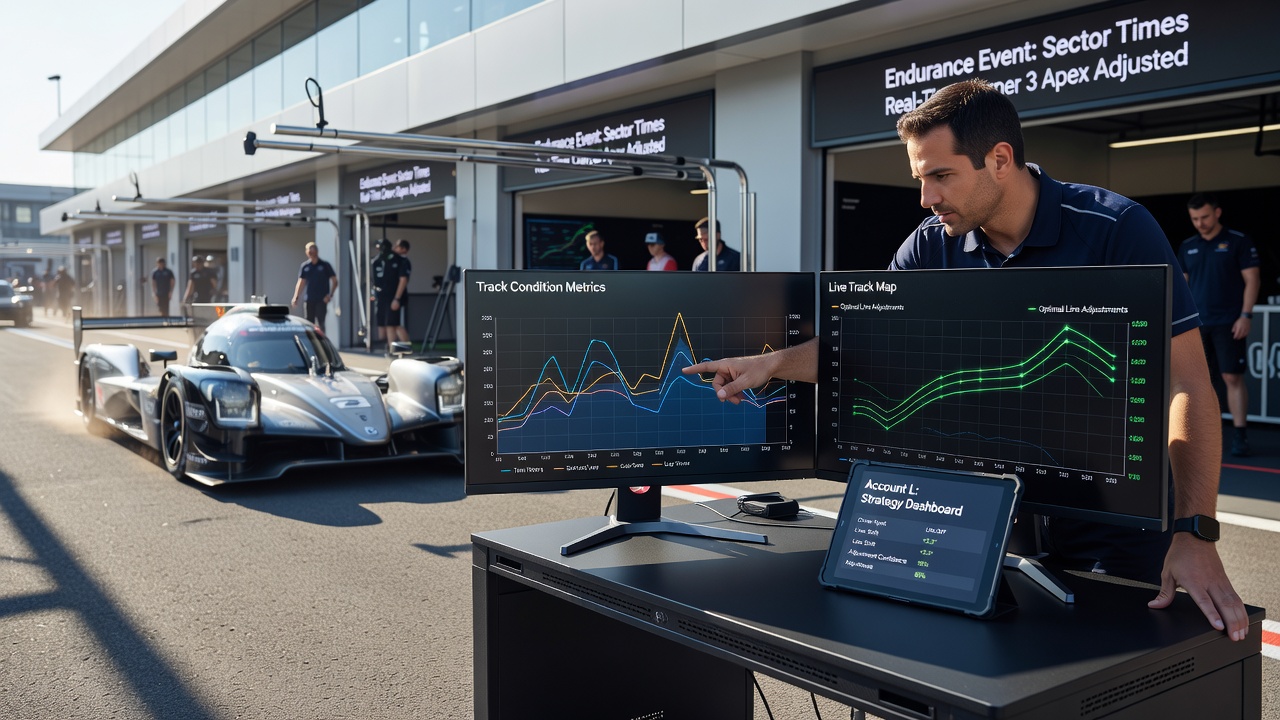
Account limit features intersect with these processes because they restrict maximum stake sizes on volatile lines, thereby limiting potential losses when conditions shift rapidly. Platforms apply tiered limits that scale according to user verification level and prior activity, and these tiers update dynamically when real-time adjustments increase line variance. Those who manage multiple accounts observe that coordinated limits across profiles prevent circumvention while still allowing participation within responsible boundaries.
Integration of Account Controls with Market Dynamics
Systems correlate track-derived probability shifts with account parameters to enforce spending caps that align with current market volatility. When lines move beyond a set percentage threshold, automated protocols may temporarily tighten limits on affected selections until stability returns. Evidence from academic analyses conducted at the University of Melbourne demonstrates that this layered approach reduces instances of excessive wagering during periods of high uncertainty without halting market activity entirely.
Geographic variations in regulation influence how these correlations manifest because different regions impose distinct reporting requirements on both line adjustments and limit applications. European frameworks emphasize transparency in algorithmic decision-making, whereas Australian standards focus on real-time disclosure of condition-related changes to participants. Operators therefore calibrate their platforms to satisfy overlapping standards when events draw international fields.
Case Examples from Recent Competitions
One endurance cycling event in 2025 illustrated the process when unexpected heat buildup on asphalt sections triggered successive line adjustments over a four-hour window, and account limits automatically scaled to match the increased movement frequency. Participants received notifications detailing both the line revision and their remaining allowable stake under existing caps. Similar patterns appeared in equine endurance races where sand-based tracks loosened under repeated use, prompting incremental revisions that reflected measured speed reductions in later laps.
These examples highlight how the correlation operates in practice because each adjustment incorporates verified track metrics rather than speculative forecasts. Account features serve as a parallel control layer that activates in response to the same data streams, ensuring that stake volumes remain proportional to updated risk assessments. Observers report that this dual mechanism has become standard across regulated platforms operating endurance markets.
Conclusion
Track condition monitoring, real-time line adjustments, and account limit features function as interconnected components within endurance event betting frameworks. Data collection feeds directly into adjustment algorithms while simultaneously informing limit protocols, creating a unified response system that adapts to evolving surfaces and environmental factors. Continued refinement of sensor technology and cross-jurisdictional standards supports consistent application of these correlations across diverse event types and participant bases.