Tracing Pattern Recognition Tools in League Fixtures to Maximize Tiered Incentives While Enforcing Voluntary Deposit Caps
Written by Viktor Albrecht · Oct 4, 2026

Tracing Pattern Recognition Tools in League Fixtures to Maximize Tiered Incentives While Enforcing Voluntary Deposit Caps
Pattern recognition tools now form a core component of modern betting platforms that handle league fixtures across football, basketball, and other team sports. These systems scan historical match data, team performance metrics, and fixture schedules to identify recurring sequences that align with reward structures offered through tiered incentive programs. Operators apply machine learning models to flag opportunities where repeated participation can unlock higher loyalty levels while built-in controls track spending against player-set deposit limits.
Data Inputs That Drive Fixture Analysis
League schedules supply structured inputs such as home and away records, rest periods between matches, and head-to-head results. Analysts feed these variables into algorithms that detect clusters of games likely to produce consistent outcomes or elevated scoring patterns. In October 2026 several European data providers released updated fixture datasets that included granular injury reports and travel distances, allowing platforms to refine their recognition models with greater precision.
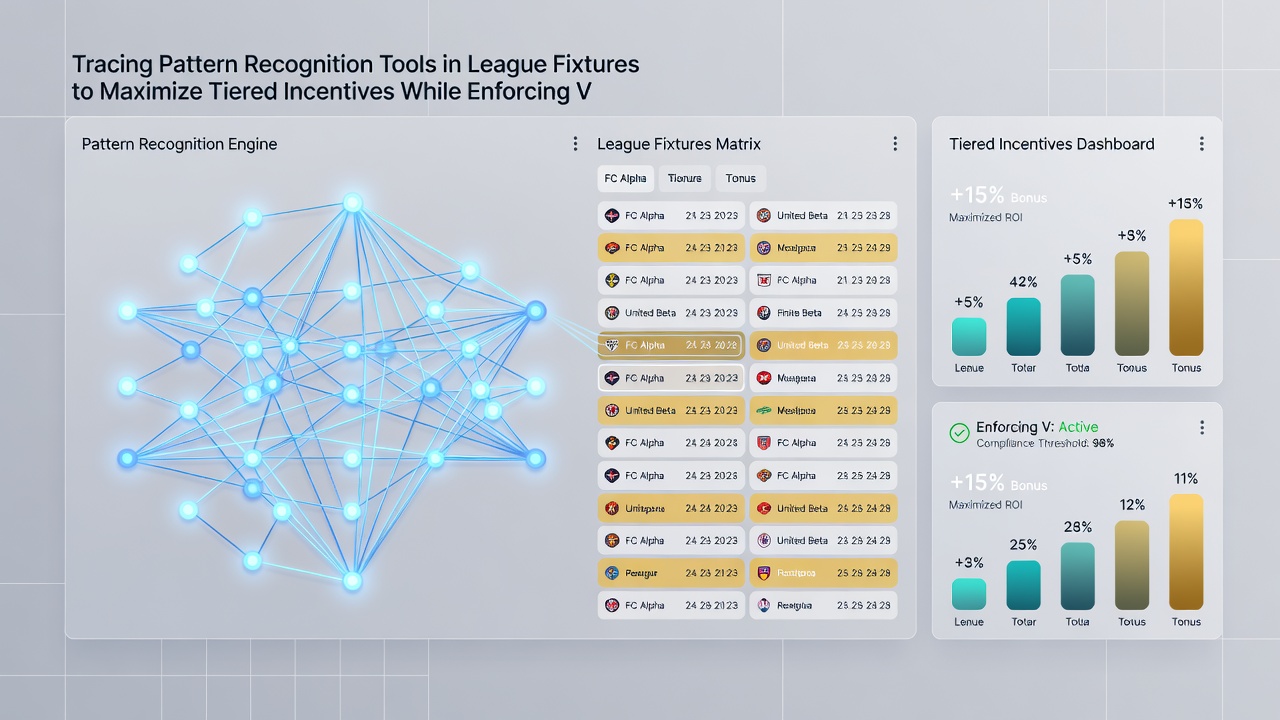
Real-time adjustments occur when new information arrives mid-week, prompting the tools to re-rank fixtures according to their projected contribution toward incentive thresholds. Users receive tier-progress indicators that display remaining activity needed to reach the next reward bracket, yet the same dashboard surfaces current deposit totals relative to any voluntary caps the account holder has activated.
Integration With Tiered Incentive Structures
Tiered programs typically award points or cashback percentages that increase at defined activity milestones. Pattern tools map fixture sequences onto these milestones so operators can surface targeted offers that encourage continued engagement without exceeding preset financial boundaries. Data from industry reports shows that platforms using synchronized pattern and limit systems record higher retention within lower-risk segments because participants see both upside potential and hard boundaries displayed together.
Voluntary Deposit Cap Mechanisms
Voluntary deposit caps operate as player-initiated limits that reset daily, weekly, or monthly. When pattern recognition software identifies a sequence of fixtures that could accelerate tier advancement, the system cross-checks the projected stake volume against the active cap. If the combination would breach the limit, the platform withholds the promotional suggestion and instead presents an option to review or adjust the cap settings.
Studies conducted by the National Center for Responsible Gaming indicate that such integrated alerts reduce instances of players overriding their own limits during high-volume periods. The same research notes that fixture-specific pattern alerts prove most effective when delivered at least 48 hours before the first match in a recognized sequence, giving users time to plan activity within their chosen boundaries.
Regional Regulatory Influences on Tool Deployment
Canadian provincial regulators require operators to log every instance where pattern-driven recommendations intersect with deposit-cap monitoring. Similar requirements appear in Australian state frameworks, where quarterly audits examine whether recognition algorithms apply consistent weighting to both incentive maximization and limit enforcement. These audits produce anonymized datasets that researchers use to evaluate whether fixture pattern alerts correlate with changes in player deposit behavior over six-month windows.
One analysis published by the Australian Institute of Health and Welfare examined six operators that deployed synchronized tools during the 2025-2026 season. The dataset revealed that accounts with active caps received 22 percent fewer promotional prompts during clustered fixture periods compared with uncapped accounts, while overall point accumulation rates remained statistically comparable across both groups.
Technical Architecture Supporting Dual Objectives
Modern implementations separate the pattern engine from the limit engine through distinct microservices that communicate via encrypted APIs. The pattern service outputs ranked fixture lists and estimated point yields, while the limit service returns real-time headroom figures. A coordination layer merges these outputs before any customer-facing display occurs. This separation allows independent updates: fixture data refreshes multiple times daily, whereas cap settings update only on explicit player instruction.
Security protocols ensure that neither service stores raw player financial data beyond the minimum required for real-time checks. Observers note that this modular design simplifies compliance reporting because audit trails can isolate pattern outputs from cap enforcement logs without cross-contamination.
Future Developments Expected After October 2026
Platform vendors have announced plans to incorporate additional variables such as weather-adjusted performance metrics and referee assignment histories into fixture pattern models. At the same time, several jurisdictions are piloting standardized data formats for voluntary limit reporting that would allow cross-operator visibility of cap status for players who opt in. These parallel tracks suggest continued refinement of the balance between incentive optimization and deposit control features.
Conclusion
League fixture pattern recognition tools now operate alongside voluntary deposit cap systems through coordinated technical and procedural frameworks. Data from multiple regulatory regions demonstrates measurable interactions between fixture-based alerts and player spending controls. Continued evolution of both pattern algorithms and limit enforcement mechanisms will depend on ongoing data collection and regional policy updates scheduled through late 2026 and beyond.